
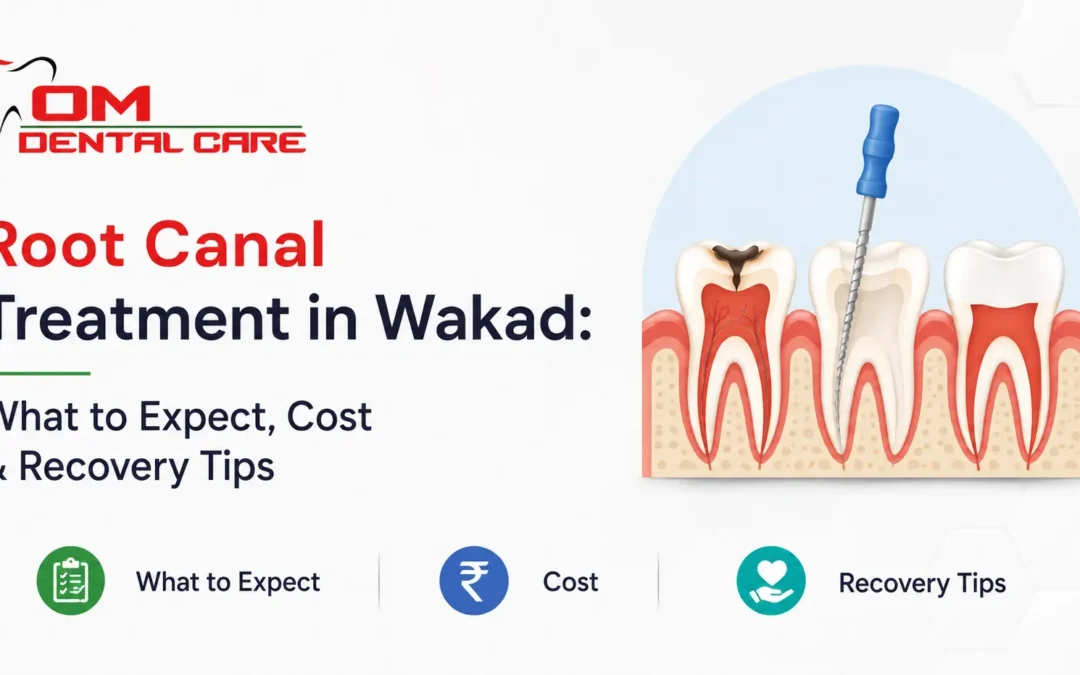
If the phrase “root canal” makes you nervous, you are not alone. For most people, it sounds like something to dread. But here is the truth root canal treatment in Wakad has come a long way, and today it is one of the most routine, comfortable dental procedures you can get. If you have been dealing with a nagging toothache, sensitivity to hot or cold, or a swollen jaw, there is a good chance your dentist has recommended a root canal and for good reason.
This blog will walk you through everything in plain, simple language: what exactly happens during the procedure, how much it costs in Wakad, how long recovery takes, and the tips that actually help you heal faster. No jargon, no scare tactics just honest, helpful information.
What Is a Root Canal and Why Would You Need One?
Let us start from the beginning. Every tooth has a soft inner layer called the pulp. This pulp contains nerves, blood vessels, and connective tissue. When a tooth gets badly decayed, cracked, or injured, bacteria can reach this pulp and infect it. Once the infection sets in, it does not go away on its own in fact, it gets worse.
Some of the most common reasons dentists recommend root canal treatment include:
- A deep cavity that has reached the pulp
- A cracked or broken tooth caused by an injury or grinding
- A previous filling that has failed and let decay sneak back in
- Repeated dental work on the same tooth weakening its structure
- A tooth abscess (a pocket of pus at the root)
The classic warning signs are a throbbing or dull ache, a tooth that has gone dark or discoloured, sensitivity that lingers long after eating something hot or cold, and pain when you bite down. Some people also notice swelling in the gum near the affected tooth, or even in the cheek or jaw area.
Here is what most patients do not realise: the pain you are feeling is not caused by the root canal it is caused by the infection. The root canal is what takes that pain away.
The Root Canal Procedure: Step by Step
One of the biggest sources of anxiety around root canals is simply not knowing what is going to happen. So let us go through it step by step.
Step 1: Diagnosis and X-Ray
Your dentist will first take an X-ray to see the shape of the root canals and check for signs of infection in the surrounding bone. This gives them a clear picture of what they are working with before the procedure begins.
Step 2: Local Anaesthesia
Before anything else happens, the area around the tooth is numbed with a local anaesthetic. This is the part most people worry about the injection but in reality, modern anaesthesia techniques make this very mild. Once the area is numb, you should not feel pain during the procedure. You may feel some pressure or movement, but not pain.
Step 3: Isolating the Tooth
A small rubber sheet called a dental dam is placed around the tooth to keep it dry and free of saliva during the treatment. It also prevents you from accidentally swallowing any of the tiny instruments used.
Step 4: Accessing the Pulp
The dentist drills a small opening in the top of the tooth to access the pulp chamber. Through this opening, they can reach the infected pulp inside.
Step 5: Removing the Infected Pulp
Using very fine instruments, the dentist carefully removes the infected or dead pulp tissue from the canals. The canals are then cleaned and shaped so they can be filled properly. This is the most important part of the entire procedure.
Step 6: Filling the Canals
Once the canals are thoroughly cleaned, they are filled with a biocompatible rubber-like material called gutta-percha. This seals the canals so bacteria cannot re-enter. A temporary filling is then placed on top.
Step 7: Crown Placement
In most cases, a root canal-treated tooth needs a crown. Because the tooth loses some of its natural strength after the pulp is removed, a crown protects it from cracking under the pressure of chewing. Your dentist will schedule a separate appointment for this.
Depending on the complexity, a root canal can take one or two appointments. Multi-rooted teeth like molars naturally take a little longer than single-rooted front teeth.
How Much Does Root Canal Treatment Cost in Wakad?
This is one of the most common questions, and understandably so. The cost of root canal treatment in Wakad typically depends on a few factors:
- Which tooth is being treated — Front teeth have one root canal, premolars usually have two, and molars can have three or four. More canals mean more time and higher cost.
- Severity of infection — A severely infected tooth may require an extra appointment for cleaning before the final filling.
- Type of crown used — Metal crowns are more affordable; ceramic or zirconia crowns cost more but look natural.
- The dental clinic and specialist — A well-equipped clinic with experienced specialists may charge slightly more, but the quality and success rate are significantly better.
As a general range in Wakad and surrounding Pune areas, root canal treatment for a front tooth can start from around ₹2,500 to ₹4,000, while for a molar it may range from ₹4,500 to ₹8,000 or higher depending on the number of canals and complexity. The crown is an additional cost, typically starting from ₹2,500 upwards depending on the material.
The best way to get an accurate estimate is to visit the clinic for an X-ray and consultation. Many clinics in Wakad, including Om Dental Care, offer flexible payment options so cost does not become a barrier to getting the treatment you need.
Does Root Canal Treatment Actually Hurt?
Short answer: not as much as people think and far less than leaving the infected tooth untreated.
The procedure itself is done under local anaesthesia, so you should not feel pain while it is being done. Some people feel mild pressure, vibration, or the sensation of instruments inside the tooth, but genuine pain during a properly anaesthetised procedure is rare.
After the procedure, once the anaesthesia wears off, it is completely normal to feel some tenderness or mild soreness for a few days. The surrounding tissues have been through a procedure, after all. This discomfort is manageable with over-the-counter pain relievers and typically fades within two to three days.
If you experience severe pain or swelling after the procedure, or if your symptoms are not improving after a few days, call your dentist. This is unusual, but your dentist needs to know.
Recovery After Root Canal: What to Expect
Recovery from root canal treatment is generally smooth, especially when compared to tooth extraction. Most people return to normal activities the very next day. Here is what the first week typically looks like:
Day 1: You may feel numbness for a few hours after the procedure. Avoid eating on the treated side. Stick to soft foods. Some mild aching as the anaesthesia wears off is normal.
Days 2 to 3: This is usually when the most soreness is felt. The gum around the treated area may be a little tender to touch. Pain medication prescribed or recommended by your dentist will help.
Days 4 to 7: Discomfort gradually reduces. Most patients feel significantly better by day 4. Mild sensitivity when eating or biting down is still possible.
After the first week: For most people, they feel back to normal. You will need to visit the clinic again for the crown placement, which gives the tooth long-term protection.
7 Recovery Tips That Actually Help
Small habits in the days following your root canal can make a real difference in how fast you heal. Here are some practical tips:
1. Take pain medication as directed. Do not wait for the pain to peak before taking medication. If your dentist has suggested a schedule, follow it for the first two days even if you feel okay.
2. Eat soft foods for a few days. Yoghurt, khichdi, dal, soft rotis, mashed vegetables, and soup are ideal. Avoid hard, crunchy, or sticky food on the treated side.
3. Avoid very hot or very cold food and drinks. The area is still sensitive, and extreme temperatures can aggravate it. Let your tea or coffee cool down a bit before drinking.
4. Do not prod or bite down hard on the treated tooth. The temporary filling placed after the root canal is not as strong as the final crown. Avoid chewing on that side until your crown is placed.
5. Rinse gently with warm salt water. This helps keep the area clean and reduces the chance of infection. Do it two to three times a day starting from the day after treatment.
6. Maintain your regular oral hygiene. Brush and floss gently, but do not skip your routine. Clean teeth around the treated area heal better.
7. Show up for your crown appointment. This is the step most people delay and it is a mistake. The tooth is vulnerable without a crown. Getting it placed on time protects your investment in the treatment.
Root Canal vs. Tooth Extraction: Which Is Better?
Some patients, when told they need a root canal, wonder: “Is it not easier to just pull the tooth out?”
The answer, in most cases, is no. Saving your natural tooth is almost always the better option. Here is why:
A natural tooth root stimulates the jawbone. When a tooth is extracted, the bone in that area gradually shrinks over time. This can affect the alignment of neighbouring teeth, change your bite, and alter your facial structure over the years. Replacing a missing tooth with a dental implant or bridge adds cost and further procedures.
A root canal, on the other hand, saves the tooth. With a crown on top, a root-canal-treated tooth can last for many years even decades with proper care.
For a deeper understanding of tooth replacement options after extraction, speak with your dentist about what suits your specific situation best.
How to Avoid Needing a Root Canal
Nobody plans to need root canal treatment, but there are clear steps you can take to reduce your risk:
- Brush twice a day with fluoride toothpaste and floss daily
- Visit your dentist every six months for a check-up and professional teeth cleaning to remove plaque and tartar
- Do not delay treating small cavities they grow
- Wear a mouthguard if you grind your teeth at night
- Avoid chewing on very hard objects like ice or hard candies
Conclusion: Getting Root Canal Treatment in Wakad the Right Way
If your dentist has recommended a root canal, the best thing you can do is act on it sooner rather than later. Infections do not resolve on their own they spread, cause more damage, and make treatment more complex over time. Getting root canal treatment in Wakad early means less discomfort, quicker recovery, and a much better outcome.
At Om Dental Care, Wakad, the team is led by Dr. Sukeshini Ghiware (BDS, Dental Surgeon), supported by experienced specialists including Dr. Parag Hadge and Dr. Kedar Vaidya together bringing over 50 years of combined dental expertise to the clinic. The team is known for a gentle, patient-first approach that makes even nervous patients feel at ease.
Whether you need root canal treatment, a complete smile makeover after root canal, or even early dental care to prevent root canals in your children, Om Dental Care provides comprehensive, affordable dental solutions under one roof.

Dr. Sukeshini Ghirware
Om Dental Care, a dental clinic in Wakad, has served families across Shankar Kalat Nagar and Kaspate Wasti since 2008. Dr. Sukeshini Ghiware leads a three-doctor team with over 50 years of combined experience in root canal treatment, dental implants, teeth whitening, orthodontics and kids dentistry. The clinic handles everything from routine checkups and teeth cleaning to full smile makeovers, laser dentistry and gum disease treatment under one roof. Patients from Wakad, Hinjewadi and Bhumkar Chowk visit for painless procedures and same-day emergency dental care. Cashless treatment is available for ICICI Lombard and other insurance plans. Call or book online to schedule your visit.